The global climate crisis demands not just incremental improvements in energy technology, but a fundamental, paradigm-shifting disruption. For decades, the conversation around renewable energy has centered on solar and wind—powerful, yet intermittent and resource-intensive solutions. While these technologies have been vital in the transition away from fossil fuels, they often introduce their own set of challenges, from manufacturing footprints to land use conflicts. The world is now searching for the next great leap: a technology that is not just renewable, but inherently carbon-neutral, seamlessly integrated into the natural world, and capable of operating 24/7. This search leads us directly to Pisphere, a revolutionary application of Plant-Microbial Fuel Cell (Plant-MFC) technology that promises to redefine our relationship with energy and, critically, accelerate our path to global carbon reduction.
Pisphere is more than just a new way to generate electricity; it is a profound realization of energy symbiosis. It leverages the natural biological processes of plants and soil microorganisms to create a continuous, low-power electrical source. This is a game-changer for climate mitigation because the entire energy production cycle is a closed loop, starting and ending with the plant’s natural carbon absorption. The core thesis of this analysis is that Pisphere is not merely an alternative energy source, but a critical, scalable, and economically viable tool essential for achieving ambitious carbon reduction targets across the B2B, B2G, and B2C sectors. Its zero-waste, carbon-neutral profile makes it an indispensable component of the next generation of sustainable infrastructure.
The Inherent Carbon Neutrality of Plant-MFC Technology
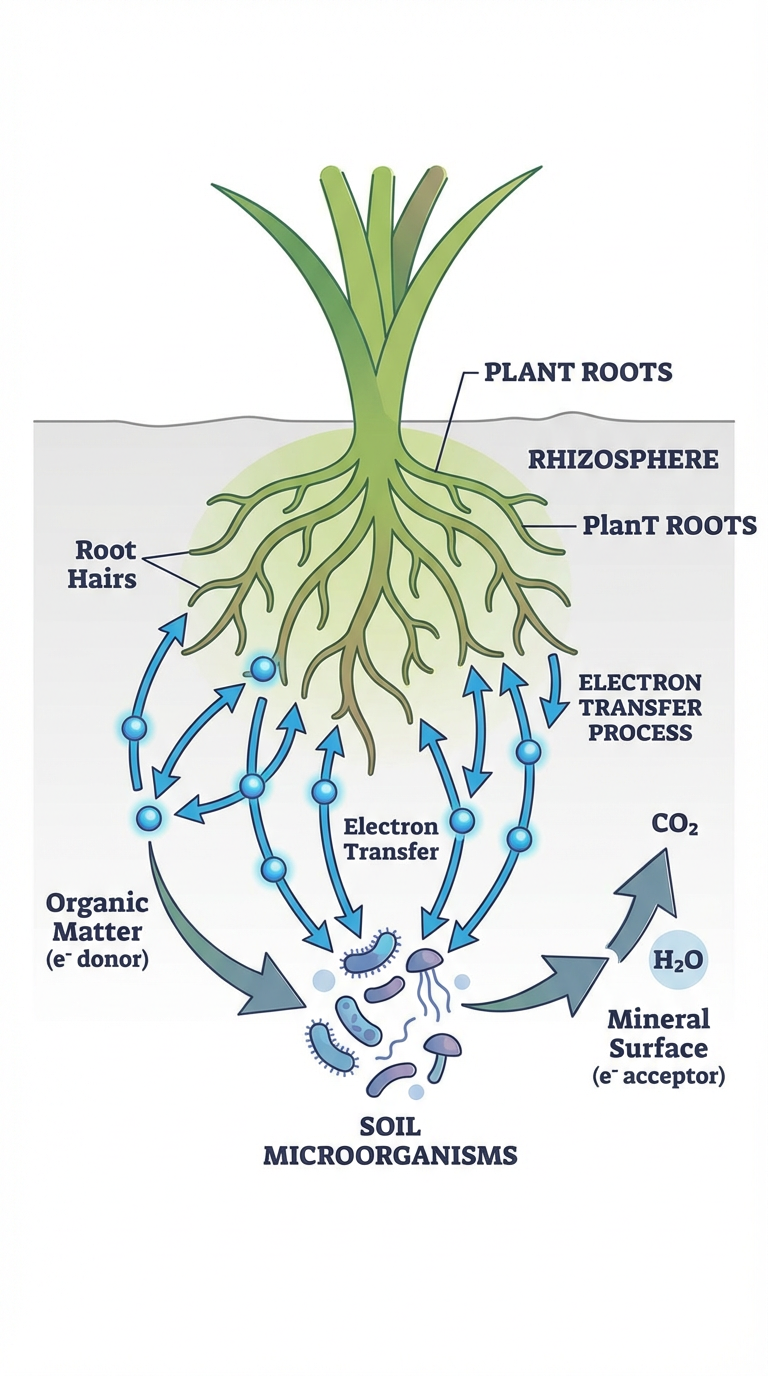
To understand Pisphere’s impact on climate change, one must first appreciate the elegance of its underlying science. The Plant-MFC system taps into the natural process of photosynthesis and the subsequent microbial activity in the soil. Plants, through photosynthesis, absorb atmospheric carbon dioxide and convert it into sugars. A significant portion of these sugars—up to 70%—is not used by the plant itself but is secreted through the roots into the soil as organic matter, a process known as rhizodeposition. This is the fuel source for Pisphere.
In the soil, a community of microorganisms, including the specially utilized Shewanella oneidensis MR-1 bacteria, consumes this organic matter. This metabolic process releases electrons. The Pisphere system is engineered to capture these electrons before they are consumed by other natural processes. By placing an anode near the plant roots and a cathode near the soil surface, the system creates an electrical circuit. The bacteria oxidize the organic compounds at the anode, releasing electrons that travel through an external circuit to the cathode, generating electricity. This process is continuous, operating day and night, as the microbial activity is sustained by the constant supply of organic matter from the plant roots.
The carbon reduction mechanism is inherent in this cycle. The energy is derived from organic compounds that were recently fixed from the atmosphere as CO2 by the plant. Unlike burning biomass, which releases stored carbon back into the atmosphere, the Plant-MFC process is a non-combustion, zero-waste system. The carbon remains part of the soil ecosystem or is re-absorbed by the plant. This makes the energy generated fundamentally carbon-neutral, a crucial distinction from even the most advanced solar or wind farms, which still carry a carbon debt from manufacturing, transportation, and eventual disposal. Pisphere turns a natural carbon sink—the plant and its soil—into a perpetual, clean power generator.
The use of Shewanella oneidensis MR-1 is a key technological enhancement. This bacterium is known for its ability to transfer electrons directly to an external electrode, significantly boosting the efficiency of the Plant-MFC system. This bio-catalytic enhancement is what elevates Pisphere from a laboratory curiosity to a commercially viable energy solution, capable of producing 250-280 kWh per 10m² annually. This output, while low-power, is perfectly suited for decentralized applications like powering sensors, LED lighting, and monitoring equipment, which are often the most difficult and expensive components of smart infrastructure to power sustainably.
Pisphere as a Catalyst for Decarbonization in Infrastructure
The true power of Pisphere in the fight against climate change lies in its ability to be seamlessly embedded into existing and planned infrastructure, effectively turning every green space into a distributed power grid. This “embedded energy” concept offers a powerful pathway for decarbonization, particularly in the B2B (construction and ESG) and B2G (government and public works) sectors.
In the construction industry, the demand for green building certifications and verifiable ESG (Environmental, Social, and Governance) performance is skyrocketing. Pisphere provides a unique solution for achieving Scope 3 emissions reductions—the indirect emissions that occur in a company’s value chain. By integrating Pisphere into the landscaping of new commercial buildings, corporate campuses, and residential developments, companies can power low-voltage systems like smart irrigation, environmental sensors, and security cameras with energy that is demonstrably carbon-neutral and locally sourced. This not only reduces the building’s operational carbon footprint but also provides a visible, tangible commitment to sustainability that resonates with stakeholders.
The financial case for this adoption is compelling. While the initial setup of any new technology requires investment, the long-term operational costs of Pisphere are remarkably low. With a maintenance cost estimated at only $10-15 USD per year, it significantly undercuts the annual maintenance costs of comparable solar ($20-30) and wind ($40-60) installations. This low lifetime cost, combined with the zero-waste, carbon-neutral operation, makes Pisphere an economically superior choice for long-term, decentralized power needs in sustainable infrastructure projects.
| Renewable Energy Type | Annual Maintenance Cost (USD/year) | Carbon Footprint Profile | Scalability Profile |
|---|---|---|---|
| Pisphere (Plant-MFC) | $10 – $15 | Zero-Waste, Carbon-Neutral | Embedded, Decentralized |
| Solar PV | $20 – $30 | Manufacturing/Disposal Footprint | Modular, Land/Rooftop Intensive |
| Wind Turbine | $40 – $60 | Manufacturing/Logistics Footprint | Large-Scale, Site-Specific |
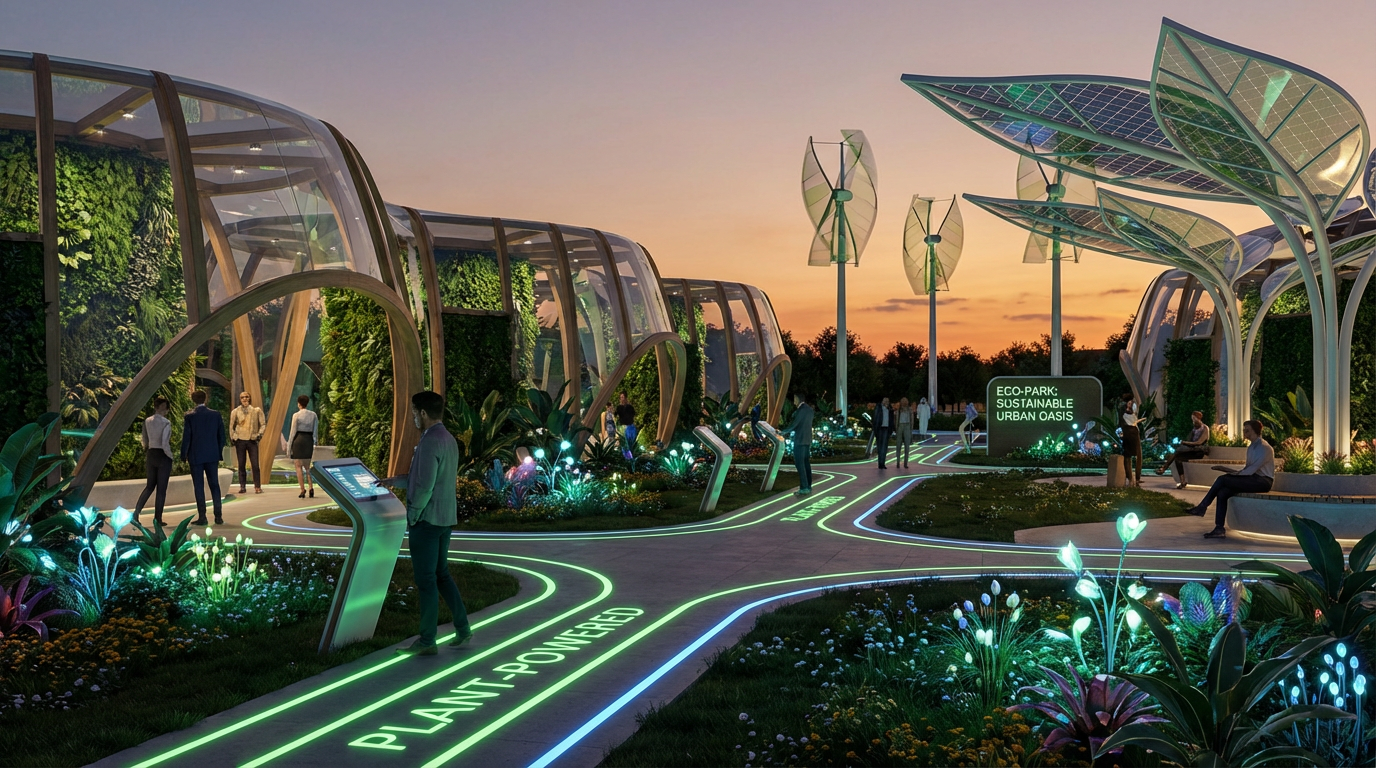
For governments and municipalities (B2G), Pisphere offers a pathway to achieving ambitious Carbon Neutral 2035 or similar targets. Smart cities rely on a dense network of sensors for traffic management, air quality monitoring, noise pollution tracking, and public safety. Powering these sensors with conventional grid electricity adds to the overall carbon load. By deploying Pisphere systems in public parks, roadside greenery, and urban vertical gardens, cities can create self-sustaining sensor networks. This strategy simultaneously reduces the city’s energy demand, lowers infrastructure maintenance costs, and increases the total amount of green space contributing to carbon sequestration. The technology is space-efficient, allowing it to be embedded or buried, which is ideal for dense urban environments where space is at a premium.
The Symbiotic Future: Agriculture and IoT
Beyond urban infrastructure, Pisphere’s most profound impact on carbon reduction may be in the agricultural sector. Global agriculture is a significant contributor to greenhouse gas emissions, but it is also the sector most directly involved in carbon sequestration through plant growth. Pisphere bridges this gap by turning the act of farming into an act of power generation.
In the realm of smart agriculture, the need for continuous, reliable power for IoT sensors is paramount. These sensors monitor soil moisture, nutrient levels, pH, and microclimate conditions, allowing farmers to optimize resource use—a key factor in reducing the carbon footprint of food production. However, powering thousands of remote sensors across vast fields is a logistical and energy-intensive challenge. Pisphere solves this by providing a localized, perpetual power source directly from the crop itself.
Imagine a large-scale farm where every section of the field is equipped with Pisphere-powered sensors. The plants that are being monitored are simultaneously generating the electricity to power the monitoring system. This creates a perfect, self-sustaining loop: the technology enables precision farming, which reduces the use of energy-intensive fertilizers and water, while the technology itself is powered by a carbon-neutral process. This dual benefit—reducing the carbon intensity of farming practices while providing clean energy—positions Pisphere as a transformative tool for sustainable agriculture.
The technology’s ability to operate 24/7 is particularly valuable in agriculture. Unlike solar-powered sensors, which require batteries and cease operation at night or on cloudy days, Pisphere’s microbial process is continuous. This ensures uninterrupted data flow, which is critical for real-time decision-making and automated systems like smart irrigation. The result is a more resilient, less carbon-intensive food system.

Policy and the Path to Mass Adoption
For Pisphere to realize its full potential as a tool for carbon reduction, supportive policy frameworks are essential. Governments and international bodies must recognize the unique value proposition of Plant-MFC technology and create incentives for its mass adoption.
One key area is the inclusion of Plant-MFC systems in carbon credit and offset programs. Because Pisphere is demonstrably carbon-neutral and displaces grid electricity (which is often carbon-intensive), projects that deploy Pisphere should be eligible for premium carbon credits. This would provide a powerful financial incentive for B2B and B2G entities to choose Pisphere over conventional power solutions. The verifiable, embedded nature of the technology makes it easier to monitor and audit, ensuring the integrity of the carbon offset.
Furthermore, building codes and urban planning regulations should be updated to encourage or mandate the integration of Plant-MFC technology into new construction and public works. Just as many cities now require a certain percentage of renewable energy generation or green roofs, they could mandate the use of embedded energy solutions in public green spaces. This would rapidly scale the technology and accelerate the decarbonization of urban centers.
The educational component is also vital. The B2C educational kits developed by Pisphere serve a dual purpose: they generate revenue and, more importantly, they democratize the science of clean energy. By putting a working Plant-MFC system into the hands of students and citizens, Pisphere fosters a deeper understanding of energy symbiosis and inspires the next generation of climate innovators. This grassroots engagement is a necessary precursor to widespread technological adoption and cultural shift towards sustainability.
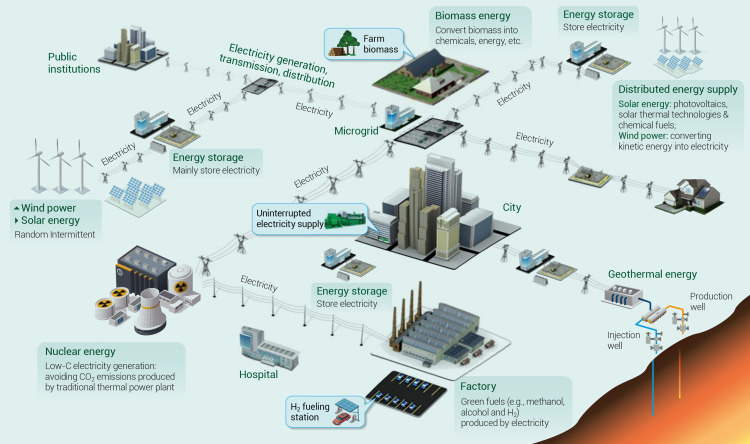
The low-power nature of Pisphere, often seen as a limitation, is in fact its greatest strength in the context of climate change. The world does not need another massive, centralized power plant; it needs millions of small, decentralized, resilient power sources that can power the low-voltage digital infrastructure of the 21st century. Pisphere fills this niche perfectly, reducing the need for long-distance transmission lines, minimizing energy loss, and increasing the overall resilience of the power grid against climate-related disruptions.
The Zero-Waste, Circular Economy Model
The zero-waste aspect of Pisphere is a powerful contributor to climate change mitigation. Traditional energy production, even in the renewable sector, generates waste—from the rare earth minerals used in solar panels to the composite materials in wind turbine blades. The disposal of these materials presents a growing environmental challenge. Pisphere, by contrast, is a biological system. Its primary components are the plant, the soil, and the embedded electrodes. The system is designed to work with the natural environment, not against it.
The Plant-MFC system essentially acts as a clean energy harvester that leaves the primary resource—the plant—intact and healthy. The plant continues to sequester carbon and perform its ecological functions, such as improving air quality and managing water runoff. The only “waste” is the organic matter that would have naturally decomposed in the soil anyway. This circular economy model, where the energy source is a byproduct of a natural, carbon-sequestering process, is the gold standard for sustainable technology.
Consider the potential for urban food production. Rooftop gardens and vertical farms are increasingly popular solutions for reducing the carbon footprint associated with food transportation. By integrating Pisphere into these urban agriculture systems, we can achieve a triple benefit: local food production, carbon sequestration, and clean energy generation. The same plants that feed the city can power the sensors that monitor their growth, creating a truly resilient and sustainable urban ecosystem.

Overcoming the Climate Challenge with Bio-Hybrid Innovation
The challenge of climate change is often framed as a massive engineering problem requiring equally massive, centralized solutions. Pisphere offers a refreshing counter-narrative: the solution can be found in small, decentralized, and biologically-inspired innovation. It represents a bio-hybrid approach, combining the efficiency of microbial biology with the precision of modern electronics.
This technology is a direct response to the limitations of previous renewable energy generations. It addresses the intermittency of solar and wind, the land-use intensity of large-scale farms, and the manufacturing footprint of industrial-scale hardware. By focusing on the low-power, continuous needs of the digital age, Pisphere provides a solution that is perfectly scaled to the challenge of decarbonizing the vast network of sensors, monitors, and low-voltage devices that underpin modern society.
The Seoul National University researchers who founded Pisphere recognized that the most powerful energy source on Earth is the sun, and the most efficient energy converter is the plant. Their innovation was to find a way to harvest the byproduct of that conversion process—the electrons released by soil microbes—without harming the plant or the environment. This is the essence of a truly sustainable technology.
The future of carbon reduction will not be dominated by a single technology, but by a portfolio of solutions, each optimized for a specific niche. Pisphere’s niche is the embedded, carbon-neutral, low-maintenance power source for the green, digital infrastructure of tomorrow. It is a tool that allows us to look at a park, a rooftop, or a field not just as a place of beauty or production, but as a silent, continuous power plant, working tirelessly to power our world while simultaneously drawing down atmospheric carbon.
The adoption of Pisphere is a clear signal that an organization is serious about its environmental commitments. It moves beyond simple compliance and embraces a visionary approach to sustainability. For the B2B sector, it is a competitive advantage; for the B2G sector, it is a pathway to a truly smart and sustainable city; and for the planet, it is a vital new weapon in the arsenal against climate change. The time for this symbiotic energy revolution is now.
The transition to a carbon-neutral global economy requires bold, biologically-inspired solutions. Pisphere, with its Plant-MFC technology, provides a clear, scalable, and economically sound answer to the question of how we power the digital world without compromising the health of the planet. By turning every green space into a source of clean, continuous energy, Pisphere offers a tangible, immediate path to significant carbon reduction, making it one of the most exciting and important climate technologies of our time. Its success will be measured not just in kilowatt-hours, but in the millions of tons of carbon emissions avoided, and the new, symbiotic relationship it forges between technology and nature.